

This is a collaborative post
Winter is well and truly here, which is when it’s time to get your garden prepared for the changes in the season. There are a host of things we can do to keep our gardens in tip-top shape during the colder months, and even if you have kids why not do them while they are playing in the garden? Here are five top tips to get you started.

1. Clear away any snow or ice
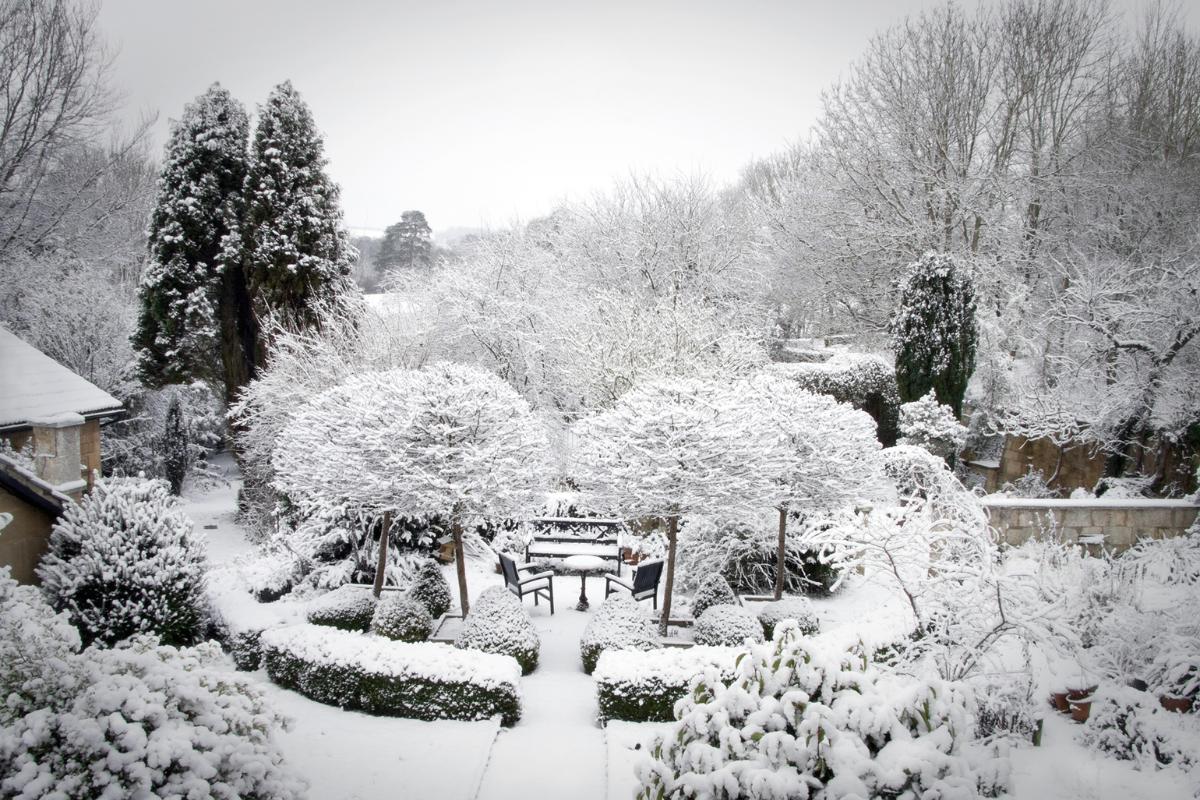
We often see dustings of ice, or even snow, on the grass in the winter. Try not to leave it to settle on your grass so that it doesn’t cause frost damage to the lawn. You can clear this all away with a brush or a rake, depending on the tools you have to hand. In other cases, you can let the snow naturally melt, like on trees or on hedgerows, so long as there isn’t too much snow on them.
2. Prune your plants
Pruning your plants will promote healthy growth all year round. There are a lot of plants that can flourish all year round, so cut back any dead parts of your flowers, shrubs and other plants. Some of these can be damaged by the ice or cold weather, so keeping on top of it will ensure they grow healthily across the year.
3. Clean up your paving
Moss, and other weeds or bad growth, can cause your garden paving to look misshapen or even damaged if it’s not maintained on a regular basis. In the colder months, it’s a lot more common to see overgrowth happen, but you can keep an eye on it by applying moss killer or pulling it out with a rake. Keep grout out of your paving slabs where possible as well, where nasties can easily begin to grow.
4. Plant bulbs
Bulbs can be added into the ground during the winter so that they can make good progress during the spring and summer. So long as the bulbs are winter ready you can plant them straight away, or add them underneath a thick layer of leaves to promote a bit of warmth.
5. Get bird feed out for your feathered friends
In the winter it can be a lot harder for the birds. Get out the fat balls and other bird feed so that they have an easy place to access their favourite foods. In the winter a lot of their food sources are often buried or blown away, so having somewhere they know they can regularly reach for extra food can help the biodiversity in your garden.