

Catching a cold can be an inconvenient and uncomfortable experience, particularly when it disrupts sleep. The congestion, sore throat, and general discomfort can make it hard to recover the rest your body needs. However, with some practical strategies, you can improve your chances of sleeping well even when feeling under the weather. Here are several tips to help you sleep better with a cold.

Use a Decongestant
Nasal congestion is one of the most bothersome symptoms of a cold, making it difficult to breathe and, thus, to sleep. Decongestants can provide short-term relief by reducing the swelling of the blood vessels in your nasal passages. This helps to open up the airways and relieve sinus pressure. Decongestants are available in various forms, including nasal sprays, tablets, and syrups, which you can easily purchase from a pharmacy. While they typically have minimal side effects, some may cause drowsiness, making them particularly useful if taken before bed.
Keep Throat Spray Near Your Bed
A sore throat can cause significant discomfort and disrupt your sleep. Throat sprays can be very effective in numbing the pain and soothing the area. Sprays such as Ultra Chloraseptic contain a mild anaesthetic and can also help reduce coughing. Point the nozzle of the spray bottle towards the back of your throat and press down as directed. Keeping a throat spray within reach on your nightstand can be helpful if your sore throat wakes you up at night. Some throat sprays even come in flavours, making them more pleasant.
Sleep with Your Head Elevated
Lying flat can cause mucus to accumulate in your throat, leading to coughing and discomfort. Elevating your head can help reduce this issue. Try stacking two pillows or raising the head end of your bed to keep your head at a higher angle. This position can help mucus drain and reduce coughing, making sleeping easier. If stacking pillows is uncomfortable, adjusting the bed might be a better option for a more consistent elevation.
Use a Humidifier
Dry air can exacerbate cold symptoms, making it harder to sleep. A humidifier adds moisture to the air, which can help keep your nasal passages from drying out and soothe stuffiness. Placing a humidifier in your bedroom can create a more comfortable sleeping environment. Keep the humidifier clean to prevent mould and bacteria buildup, which can worsen your symptoms.
Avoid Alcohol
Although alcohol might initially make you feel sleepy, it can disrupt your sleep cycle and lead to dehydration. When you have a cold, staying hydrated is crucial to help your body fight off the virus. Drinking water, herbal teas, honey, and lemon juice can be more beneficial. Avoiding alcohol ensures that your body remains hydrated and better equipped to recover.
Maintain a Consistent Sleep Schedule
Sticking to a regular sleep schedule can be beneficial even when you’re not feeling well. Try to go to bed and wake up at the exact times each day to help regulate your body’s internal clock. This consistency can improve the quality of your sleep, making it easier for your body to recover from a cold.
Practice Good Sleep Hygiene
Creating a sleep-conducive environment is important for everyone, but especially when you’re dealing with a cold. Keep your bedroom cool, dark, and quiet. Avoid screens before bedtime, as the blue light emitted can interfere with your ability to fall asleep. Instead, enjoy relaxing activities like reading a book or listening to soothing music.
Take a Warm Bath Before Bed
A warm bath can help relax your muscles and relieve some of the discomfort associated with a cold. Adding Epsom salts or essential oils like eucalyptus can enhance the experience by helping to open up your nasal passages and ease muscle aches. This relaxation can help you feel more comfortable and ready for sleep.
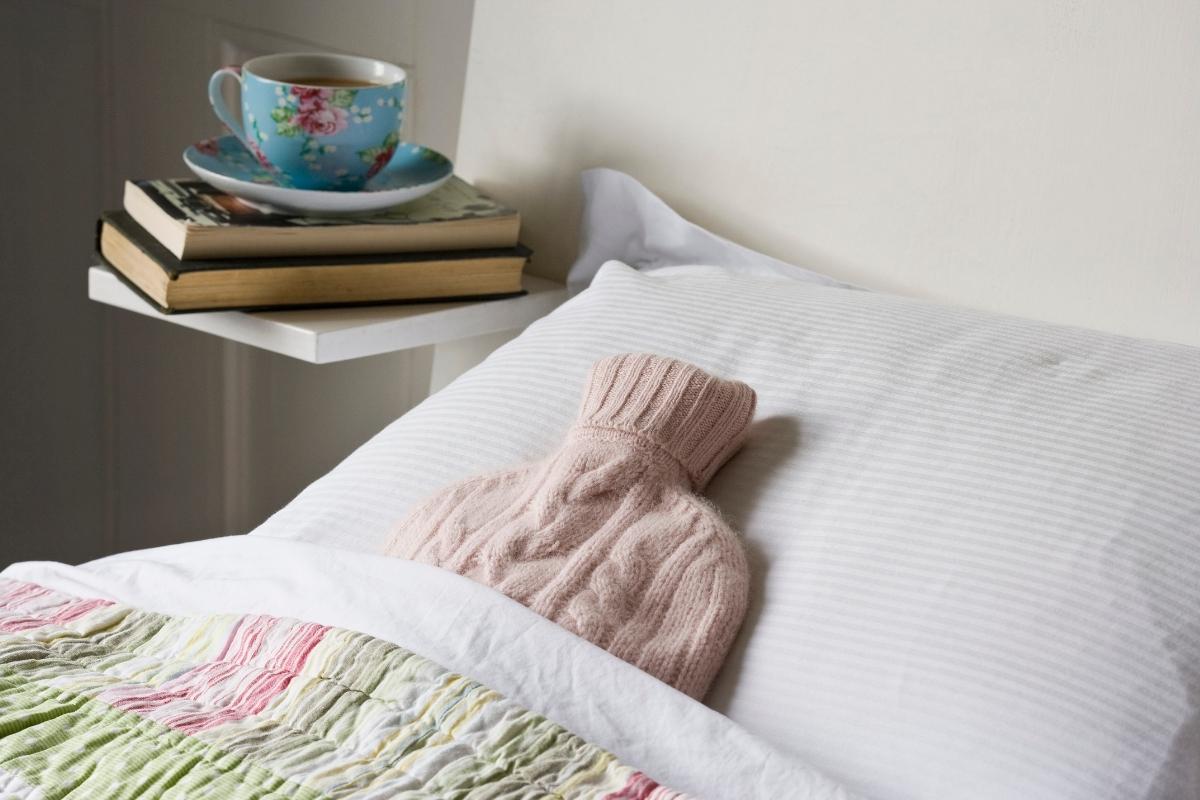
After your bath, consider warming up your bed with a luxury hot water bottle – this can provide soothing heat, help relax tense muscles, and make it easier to drift off to sleep feeling cozy and comfortable.
Consider Over-the-Counter Medications
In addition to decongestants, other over-the-counter medications like antihistamines or pain relievers can help manage cold symptoms. Antihistamines can reduce nasal congestion and are often sedative, which might help you sleep. Pain relievers like acetaminophen or ibuprofen can reduce fever and ease aches and pains. Always follow the dosage instructions and consult a healthcare provider if you have any concerns.
Getting a good night’s sleep with a cold can be challenging, but implementing these tips can help improve your rest and support your body’s healing process. Remember, if your symptoms persist or worsen, it’s always best to seek advice from a healthcare professional.
If you do encounter garden pests that threaten your butterfly plants, opt for natural or DIY pest control methods that are safe for pollinators. Companies like Pestbuddy.co.uk offer solutions that target common pests while keeping your butterfly haven protected and thriving.
Nohting worse than trying to sleep with a cold, your tips are very helpful
Great tips i always have a lavender bath before bed,when i have a cold