

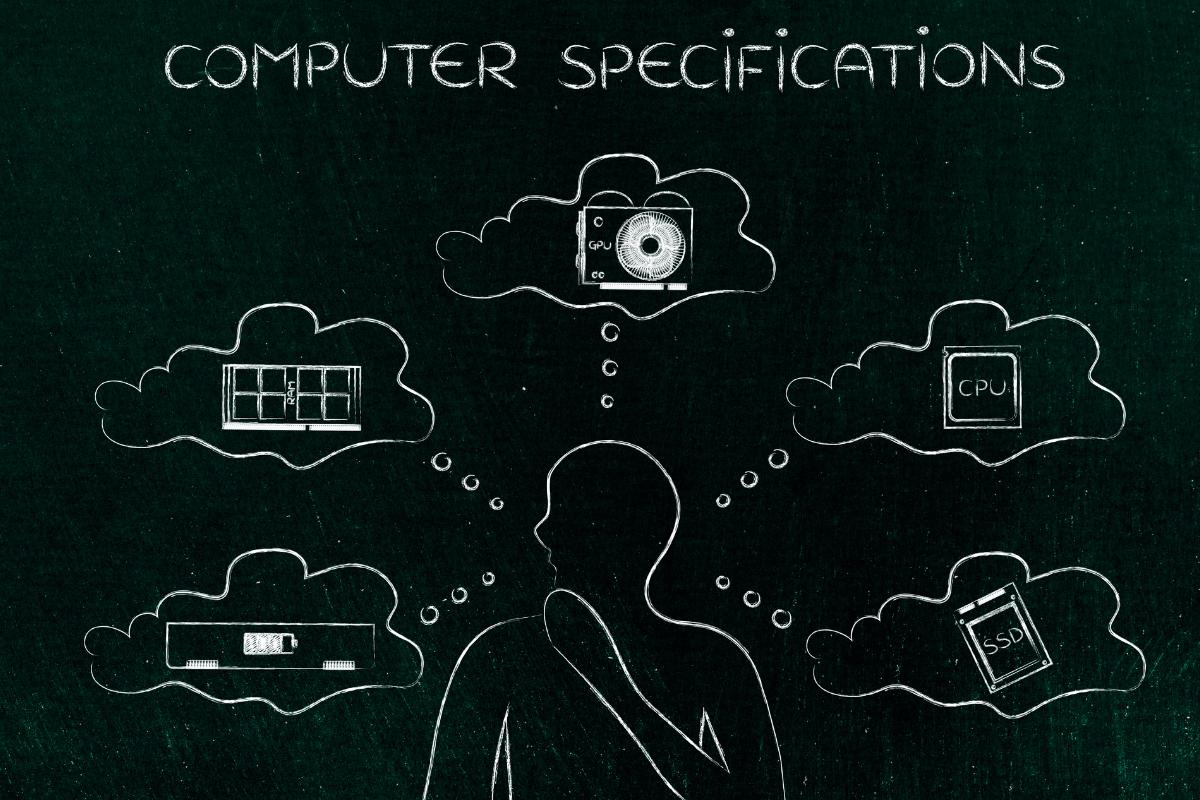
In our modern era of technology, computers have become indispensable allies in our daily professional routines. If you often find yourself facing a screen with uncertainty about where to begin, fret not – this guide is designed to unravel the complexities of computers and software. Tailored specifically for office professionals aiming to elevate their digital prowess, we’ll navigate through understanding various computer types, perfecting software setups, and discovering invaluable tips and tricks. Let’s embark on this enlightening journey together, one step at a time.

Understanding Different Types of Computers
Computers come in various shapes and sizes, each suited for different tasks. Here are the main types you might encounter:
1. Desktop Computers: These are the traditional workhorses. They consist of a monitor, a tower (CPU), keyboard, and mouse. Desktops like the ASUS range often offer customizability with components like the latest RTX 4090 uk for powerful graphics performance.
2. Laptops: Portable and compact, laptops combine all components into a single unit. They are perfect for working on the go but might have slightly less power than desktops. ASUS laptops are known for their sleek designs and reliable performance.
3. All-in-One (AIO) Computers: These integrate the monitor and CPU into a single unit, offering space-saving benefits without compromising on performance. They are ideal for office setups where desk space is at a premium.
Setting Up Your Computer
Hardware Setup:
- Connecting Peripherals: Plug in your keyboard, mouse, and any other devices like printers or external hard drives.
- Powering On: Press the power button on your CPU or laptop to start the computer.
- Checking Connections: Ensure all cables are securely connected to avoid technical glitches.
Software Setup:
- Operating System (OS): Windows or macOS are common. They provide the interface to interact with your computer.
- Installing Applications: Use the App Store (for macOS) or Microsoft Store (for Windows) to download essential software like Microsoft Office for productivity.
Tips and Tricks to Become a Computer Genius
1. Understanding File Management:
- Folders and Files: Organise documents into folders for easy access.
- Backups: Regularly back up important files to avoid data loss. Use cloud storage services like Google Drive or Dropbox.
2. Mastering Keyboard Shortcuts:
- Windows: Use shortcuts like Ctrl+C (copy), Ctrl+V (paste), and Alt+Tab (switch between open applications).
- MacOS: Command+C, Command+V, and Command+Tab perform similar functions.
3. Internet Security:
- Antivirus Software: Install reputable antivirus software to protect against malware and viruses.
- Updates: Regularly update your OS and applications to patch security vulnerabilities.
4. Customising Your Setup:
- Wallpaper and Themes: Personalise your desktop background and colour schemes to reflect your style.
- Accessibility Settings: Adjust font sizes and display settings for better readability.
Exploring Advanced Concepts
1. Understanding ASUS Motherboards:
- Components: Motherboards like those from ASUS are the backbone of your computer, connecting all components.
- Compatibility: Ensure compatibility with other components like the RTX 4090 GPU for optimal performance.
2. Exploring Graphics Cards (GPUs):
- RTX 4090 GPU: Known for its high-performance gaming and graphics capabilities, it enhances visual processing speed and power efficiency.
Conclusion
Becoming proficient with computers and software is a journey that starts with understanding the basics and gradually exploring advanced concepts. Whether you’re setting up your first desktop or configuring a complex office network, this guide has equipped you with essential knowledge and practical tips. Remember, practice makes perfect – don’t hesitate to explore and experiment with different features and settings to find what works best for you.
Now that you’re armed with this knowledge, go forth and conquer the digital realm with confidence. Happy computing!